
What is I Have Known You?
I Have Known You is a story-driven adult visual novel by Dotty Diaries. You play a man returning to his hometown of Wildflower, where a witch hunt took place 300 years ago. It is not out yet: Steam lists 26 February 2027, and a demo has been live since 20 June 2026.
A man comes back to the town he grew up in and finds it changed in ways he cannot name. That is the whole engine of I Have Known You, and everything else — the romance, the mystery, the witch hunt — is built on top of it.
The one-paragraph version
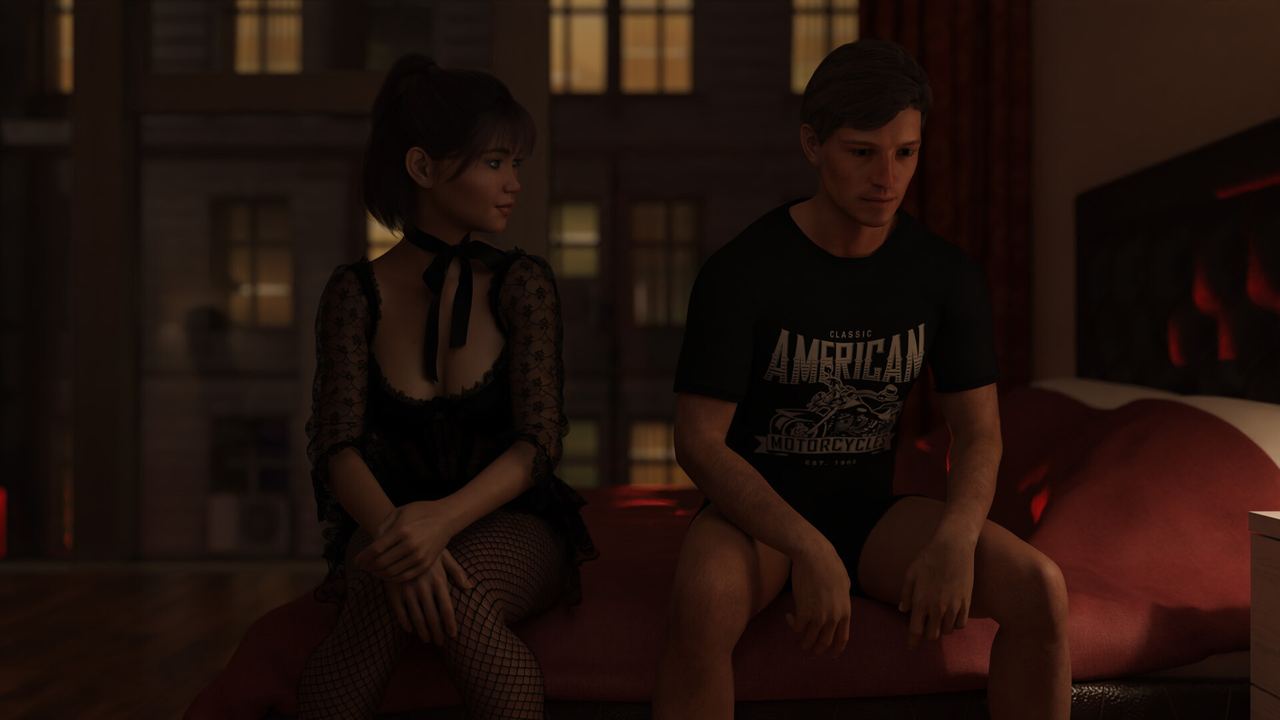
I Have Known You is a story-driven adult visual novel developed and published by Dotty Diaries. You play a man returning to his hometown of Wildflower, a quiet coastal place with cafes, familiar streets and forest at its edge. Old friendships carry unspoken tension, new relationships start with lingering looks, and underneath it all sits a 300-year-old witch hunt that the town has never stopped retelling. It releases on Steam on 26 February 2027, and a demo has been available since 20 June 2026.
What kind of game it is
The developer's own phrase is "a story-driven adult visual novel", and the Steam listing backs that up with the tags the store assigns: Action, Adventure, Casual, RPG and Early Access. That combination is less strange than it looks. Visual novels routinely carry Adventure and RPG tags because of choice and progression systems, and the Early Access tag on the listing tells you the developer intends to launch into Early Access rather than as a finished 1.0.
| Fact | What Steam says |
|---|---|
| Developer / publisher | Dotty Diaries |
| Release | 26 February 2027 (coming soon) |
| Platforms | Windows, macOS, Linux |
| Players | Single-player, Family Sharing enabled |
| Languages | English |
| Price | None listed |
| Genres | Action, Adventure, Casual, RPG, Early Access |
The story it opens with
The protagonist is not a stranger and that is the point. He grew up here. The people he meets in the first hour know what he was like at seventeen, which is why the dialogue carries the specific weight of a returning local rather than the blank slate of a visitor.
The store page sets the tone in a way that is worth quoting exactly, because the phrasing is the design brief: Wildflower "looks peaceful from the outside; cozy cafés, familiar streets, and the scent of forest. But behind the small-town smiles, there's a sense that something isn't quite right. People talk in half-truths. Names are forgotten."
Two things follow from that. First, the mystery is social before it is supernatural — the town's evasions are the horror. Second, the romance is not separate from the plot. Every relationship you build is also a source of information about what Wildflower is hiding.
Agnes, and the thing under the town
Centuries before the story, a woman named Agnes lived on these shores. The store page describes her as a healer, a lover, and a woman accused of witchcraft: someone said to have bewitched men, to have been able to bend desire and fate with a single touch. They burned her at the stake. She never truly left.
That legend is the reason the game has a tone at all. As the story progresses, people in Wildflower begin behaving differently — attraction becomes obsession, restraint starts to disappear, hidden urges become impossible to control. Whether that is Agnes, suggestion, or ordinary small-town rot is the question the story is built to answer, and the demo is careful not to answer it early.
Adults only, and what that means here
Steam puts an age check in front of the store page, and the developer's own warning on the page reads: "This game features adult content and mature themes that some players may find sensitive or offensive. Player discretion is advised." The character dossiers include a Kinks field alongside Likes and Dislikes, which tells you how explicit the relationship design is intended to be without the page having to show it.
If that is not what you want from a visual novel, the game is honest about it up front, which is more than most do. If it is, the adult content guide covers how Steam gates the page and how the demo handles it.
What you actually do minute to minute
You read, you choose, and you watch the consequences land. Choices shape the protagonist's personality and move relationship counters tied to individual characters. Between story beats the game can hand you control for optional free-roam sections, where you walk the town instead of reading it. A character screen collects everything the game knows about each person, including a Journey Gallery tab that records progress.
That is a familiar loop for the genre, executed with more visible machinery than usual: the relationship change appears on screen with the character's name attached, so you can see the scoring happen.
Where to start
If you have not played anything yet, the demo guide is the practical page. If you want the cast before the plot, start with the characters. If you are here to decide whether to spend money in 2027, the release facts and the demo versus full game comparison are the shortest route.
What it is not
Three things worth ruling out before you spend an evening on the demo.
It is not a sandbox. There is no day planner, no energy meter and no schedule to optimise. Free-roam exists, but it is optional and chapter-bound, not a management layer.
It is not a kinetic novel. Choices matter, relationship values move, and the developer says those decisions carry into the full game. If you want a single authored path with no branching, this is the opposite of that.
It is not a horror game, despite the witch hunt. The register is drama and mystery with adult material, not jump scares. The town is unsettling because it is polite, not because something is chasing you.
Everything on this page was checked against the Steam store listing and the developer's 20 June 2026 announcement on 3 November 2026.